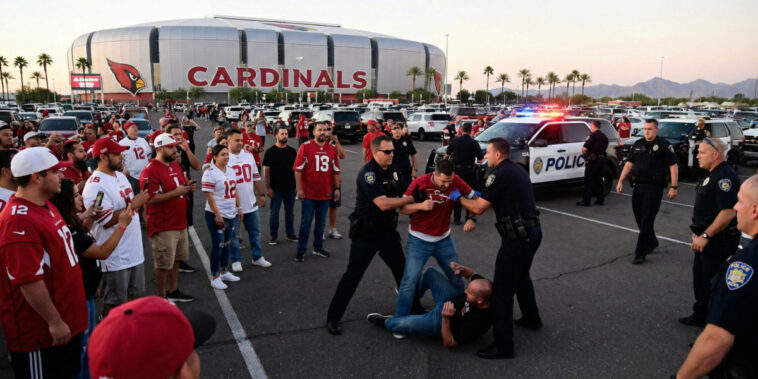
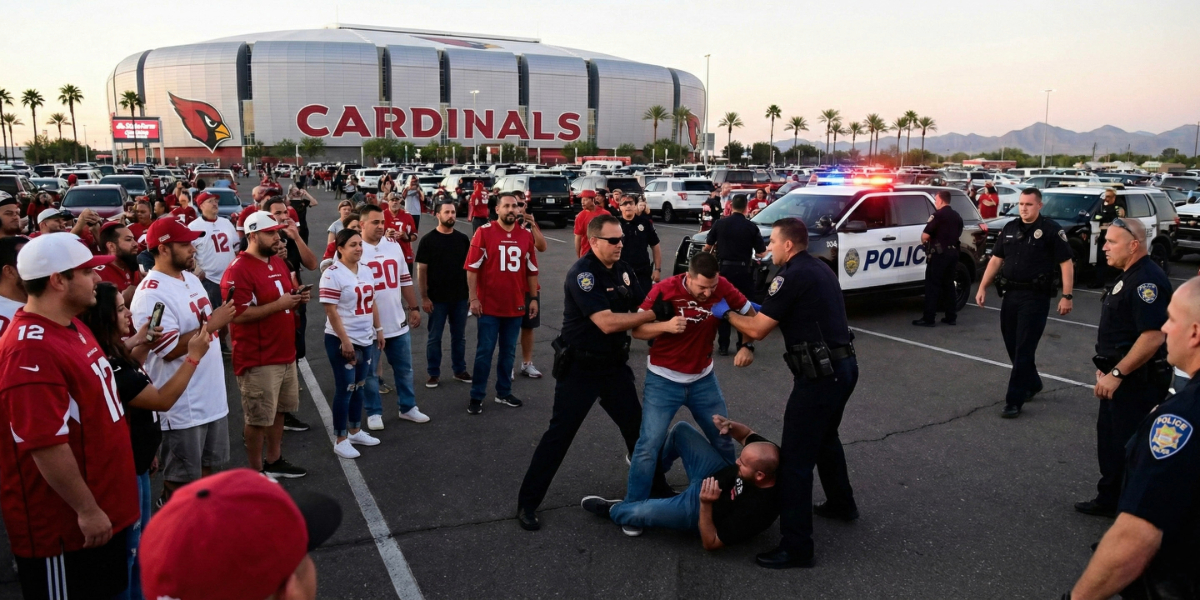
Aggravated Assault in Arizona at Major Sporting Events: A Growing Concern
The excitement that pulses through Arizona’s sports stadiums and tailgate parties is unmistakable. Whether it’s a high-stakes football rivalry in Tempe or a playoff basketball game in downtown Phoenix, spectators come together, bursting with energy and pride for their favorite teams. However, behind the cheers and celebrations lies a darker side—one where a seemingly minor scuffle can spiral into a felony charge. In this opinion editorial, we take a closer look at how aggressive behavior during large sporting events can quickly turn from a simple disagreement into a serious legal matter, and why understanding these legal twists and turns is critical for anyone caught in such a scenario.
In this article, we will dig into how Arizona law differentiates between a basic push or shove and what it defines as aggravated assault. We will also discuss the various factors that can elevate a case from a misdemeanor to a charged felony, the penalties involved, and the defense strategies available for those facing such charges. Whether you are a sports enthusiast, a legal professional, or simply interested in the nitty-gritty of criminal law, this editorial will shed light on the less-discussed legal side of sporting events.
Understanding Assault Under Arizona Law: The Basic Definition
Before we explore how a minor incident can escalate, it is essential to grasp the legal definition of assault in Arizona. Under Arizona Revised Statutes section 13-1203, assault is characterized by an act where an individual intentionally, knowingly, or recklessly causes physical harm to another person. Moreover, assault can occur when a person deliberately induces reasonable fear of immediate harm or makes unwanted physical contact with the intent to provoke or insult another.
Typically, incidents that meet these criteria are charged as misdemeanors. For example, imagine a heated tailgate dispute where a shove leads to a minor injury. Under these circumstances, law enforcement might consider it a class 1 misdemeanor, carrying potential consequences like a short jail term, fines, and probation. However, even a misdemeanor can be nerve-racking, affecting everything from employment opportunities to personal relationships because of its long-lasting implications.
When a Minor Altercation Spirals into a Felony: Examining Aggravated Assault
What happens when a minor scuffle escalates? Arizona law under ARS 13-1204 takes what may seem like an ordinary conflict and transforms it into a severe criminal charge. Aggravated assault is often riddled with problems and is always treated as a felony. The key differentiators include causing serious physical injury, the involvement of a deadly weapon or a common object used in a dangerous way, or assaulting individuals in protected roles—such as law enforcement officers, firefighters, or healthcare professionals while they are on duty.
The transformation of a simple altercation into a felony is often determined by several factors. Here are some of the typical circumstances:
- Serious Physical Injury: Injuries that entail a substantial risk of death, pronounced and long-lasting disfigurement, or an injury that impairs the normal functioning of a body part.
- Use of a Deadly Weapon or Object: Everyday items, from beer bottles to folding chairs, can be construed as dangerous when used to inflict harm. A case where a thrown bottle leads to deep lacerations might result in felony charges.
- Assaulting a Protected Individual: Any physical assault on a police officer, security guard, or another official can immediately elevate the charge to aggravated assault, often with harsher penalties.
- Invasion of a Private Space: Assaults that occur after entering someone’s home or upon targeting a vulnerable or incapacitated person.
These factors are not only intended to protect citizens but also to serve as a deterrent against violent outbursts in environments known for their charged atmosphere. However, the legal landscape can be tricky, filled with tangled issues and confusing bits that require careful consideration and expert interpretation.
Everyday Objects Turned Dangerous Instruments: The Fine Points
One of the most startling aspects of aggravated assault cases at sporting events is how ordinary objects can be elevated to the status of deadly weapons. In the heat of a confrontation, a beer bottle, a chair, or even a vehicle can be classified as a dangerous instrument if the facts of its use support such a charge. For instance, imagine a scenario in which a fan, overwhelmed by anger, hurls a bottle during an argument outside a sports bar. If that bottle causes deep cuts that necessitate surgery, prosecutors might argue that the bottle was used as a dangerous instrument, therefore basing a charge on ARS 13-1204.
This legal interpretation is one of the many little details that can dramatically shift the course of a case. The classification of an everyday object as a dangerous weapon is not automatic—it depends on the context and how the object was used. The ability to resolve these subtle parts often comes down to the quality of legal representation, making it super important to have an experienced attorney ready to steer through the complex pieces of the case.
A Closer Look at Sporting Event Scenarios: Real-World Examples
It is not uncommon for large sporting events to turn into volatile situations, where the charged atmosphere multiplies the chances of conflict. Here are a few common scenarios that highlight how quickly a minor altercation can escalate:
Tailgate Disputes and Parking Lot Altercations
Tailgating before a major game is a cherished tradition in Arizona. However, the relaxed festive atmosphere can quickly deteriorate into conflict over something as seemingly trivial as parking spaces or the volume of music played. A dispute in a parking lot might begin as a simple verbal disagreement but can escalate into physical violence if tempers flare and alcohol is involved. Once someone is injured through a fall or a blow that leads to serious harm, the situation can be reclassified as a felony assault.
Bar Fights Outside Stadiums
After a high-pressure game, fans often flock to nearby bars to celebrate or commiserate. In such environments, the combination of alcohol and waning inhibitions can result in chaotic scenes. A punch thrown in the heat of the moment might transform into a violent assault if someone employs a bar stool or a pool cue in an attempt to strike back. This kind of escalation, where an everyday object is weaponized, exemplifies how tricky parts of law enforcement decisions are made on the spot.
Confrontations with Security or Law Enforcement
When conflicts arise with security personnel or police officers, the legal stakes are even higher. Any act of aggression directed toward a uniformed officer can result in an immediate elevation to aggravated assault. The law treats these instances very seriously, often resulting in higher felony charges that carry more severe penalties. Even individuals who did not originally intend to cause harm may find themselves entrapped by the legal system if their actions meet the criteria for assaulting someone in an official capacity.
Intervening in an Ongoing Fight
In some instances, bystanders try to break up a fight only to become involved themselves. While the intention might be to protect others, if their interference results in any form of injury, they too can be charged with assault. In the chaos that often characterizes such incidents, the evidence may be contentious, making it even more challenging for police and legal authorities to accurately assess who is at fault.
Penalty Scales and Sentencing Ranges: A Detailed Table
The penalties for aggravated assault in Arizona depend on various elements from the injury sustained to the nature of the object used. Below is a table to help sort out the potential sentencing ranges for first-time offenders across different felony classifications.
| Felony Class | Typical Circumstances | Prison Sentence Range (First Offense) | Relevant Statutes |
|---|---|---|---|
| Class 2 Felony | Serious physical injury or use of deadly weapon | 7 to 21 years | ARS 13-1204(A)(1),(2); ARS 13-704 |
| Class 3 Felony | Severe disfigurement or use of a dangerous instrument | 5 to 15 years | ARS 13-1204(A)(3); ARS 13-702 |
| Class 4 Felony | Assault on a peace officer or protected victim | 4 to 8 years | ARS 13-1204(A)(8) |
| Class 6 Felony | Less severe aggravating factors | 1 to 2.5 years | ARS 13-1204(B) |
These sentencing ranges highlight the legal system’s attempt to calibrate punishment based on the fine points of each case. It is important to remember that how these figures are applied can vary considerably based on prior convictions and the specific circumstances of the assault.
Defense Strategies: Finding Your Path Through a Legal Quagmire
For someone charged with aggravated assault after an incident at a sporting event, the path forward may seem overwhelming and off-putting. However, the process of defending oneself against such charges is manageable with the right strategy. Legal experts often rely on several common defense approaches, each tailored to counter the prosecution’s narrative. Here are a few defense strategies that attorneys commonly employ.
Self-Defense and Defense of Others
Arizona law provides that individuals have the right to use reasonable force to protect themselves or others from immediate harm. If you can establish that your actions were a measured and necessary response to an imminent threat, this defense might justify your conduct. This strategy revolves around the idea that while the attack may have occurred, it was provoked by a need to prevent further harm. In such a context, the law recognizes the right to protect oneself, potentially reducing the seriousness of the charge.
Lack of Intent or Accidental Harm
One of the central elements of aggravated assault is the intent behind the act. If it can be demonstrated that any harm caused was accidental rather than deliberate, the prosecution’s case may be weakened substantially. An accidental injury—a slip or a loss of balance, for instance—can often be distinguished from a purposeful act, even if the physical results appear identical. This distinction is one of the small distinctions that can determine whether charges remain as a misdemeanor or escalate to a felony.
Disputing the Extent of Injury
Not all injuries are created equal under the law. The court system typically relies on medical experts to verify whether an injury qualifies as “serious” under statute ARS 13-105. Defense attorneys may work with their own experts to argue that the injury was not as severe as claimed, thereby disputing the elevation of the charge. This approach can often help in downgrading the charge or, in some cases, even having the case dismissed.
Challenging the Dangerous Instrument Claim
Another common defense is to question whether the object used in the altercation falls under the legal definition of a dangerous instrument. Merely having an item in hand during a conflict does not automatically qualify it as a weapon. Lawyers may argue that the circumstances and manner in which the object was used do not meet the necessary criteria for a dangerous instrument charge. This is one of those subtle parts of the legal argument that courts scrutinize closely.
Unlawful Arrest and Constitutional Violations
If there is evidence that law enforcement overstepped their bounds—for example, by violating your Fourth Amendment rights through an unlawful search or seizure—it may be possible to have critical evidence excluded from the case. If the prosecution’s case becomes significantly weakened by the absence of such evidence, the charges might be reduced or dropped altogether. This strategy underscores the importance of quick legal intervention after an arrest.
The Role of Experienced Legal Representation: A Critical Component
Aggravated assault charges are not only intimidating but also laden with challenges that are on edge and complicated pieces of legal interpretation. For those facing such charges, working with an attorney who has significant courtroom experience is super important. Someone with firsthand knowledge of prosecutor strategies, especially from a background in the district attorney’s office, is in an excellent position to identify flaws or inconsistencies in the prosecution’s case.
When you find yourself in legal trouble following an altercation at a sporting event, securing experienced legal counsel early on can make the difference between a steep felony sentence and a reduced charge. Early legal consultation permits an attorney to gather vital evidence through witness interviews, obtain security footage, and scrutinize police reports before decisions are made. In many cases, the legal expert can negotiate plea agreements or even have charges reduced to a misdemeanor by effectively arguing mitigating circumstances.
Long-Term Implications of a Felony Conviction: Beyond the Courtroom
A felony conviction for aggravated assault carries implications far beyond a potential prison sentence. The legal repercussions can affect personal and professional aspects of life in several troubling ways. A criminal record can severely damage employment prospects, housing opportunities, and even personal relationships. In some cases, a felony can result in the loss of specific rights, such as the right to vote or to possess firearms.
Additionally, the stigma attached to a felony conviction can be overwhelming, leading to difficulties in societal reintegration. It is clear that the long-term consequences make it absolutely critical for anyone charged with aggravated assault to understand the full spectrum of potential outcomes and to engage with a legal expert who can help mitigate these risks.
Community Reflections: How Sports and Society Influence These Incidents
It is worth noting that the culture of sports events is not inherently violent. In fact, the vast majority of fans enjoy the games responsibly, celebrating in a way that is both festive and respectful. However, the environment itself—filled with high emotions, alcohol, and strong team rivalries—can be the catalyst for rough behavior. The transition from harmless enthusiasm to volatile conflict is often triggered by factors that are on edge and full of problems.
Community leaders and law enforcement officials are increasingly aware of these patterns, suggesting that improved security measures and increased public awareness could help prevent such incidents. Yet, some critics argue that these solutions only scratch the surface of the deeper issues inherent in communal sports events. They point to the need for better crowd management, more sensitive police training, and public campaigns that emphasize hostility reduction in high-pressure environments.
Public Opinion and the Legal System: A Balancing Act
The criminal justice system is always tasked with a delicate balancing act—protecting the public while upholding the rights of all individuals. On one hand, the severity of aggressive actions deserves a robust legal response. On the other hand, the legal system must ensure that innocent individuals are not unfairly penalized for unintended consequences amid chaotic events. This dual responsibility has led to heated debates among legal scholars, community members, and policymakers alike.
For many, the idea that a simple disagreement at a sporting event can lead to a felony charge seems disproportionate. These critics argue that the intense legal measures, applied in some circumstances, are laden with issues that do more harm than good. They point to cases where minor injuries and accidental actions have resulted in life-changing felony records, all because of an unfortunate set of twisted circumstances.
Legal Reforms: Are They Needed?
Such controversial outcomes have sparked a broader debate about whether legal reforms are necessary. Should the laws surrounding assault at sporting events be revisited to prevent unnecessary escalations? On one side, proponents of reform argue that the current laws are too rigid, failing to take into account the full context of an incident. They suggest that a more nuanced approach—one that sets stricter parameters for what constitutes aggravated assault—could reduce the number of felony charges that result from otherwise minor altercations.
Opponents of reform, however, caution that any softening of the laws might embolden aggressive behavior at events that are already tense. The concern is that reducing the severity of penalties may inadvertently lead to more violence, as individuals might take their chances with fewer legal repercussions. Ultimately, lawmakers are tasked with finding a middle ground that both deters aggressive behavior and protects the rights of individuals involved in spontaneous confrontations.
Personal Stories That Highlight the Challenges
Real-world examples from Arizona underscore the unpredictable nature of these incidents. For example, consider an incident at a college football game in Tempe where a minor dispute in a packed parking lot led to a fan being pushed so hard that he struck his head on a concrete barrier. What started as a bad day quickly transformed into a class 2 felony charge for aggravated assault, largely because the injury was severe enough to meet the legal criteria for serious physical injury.
In another case, following a playoff basketball game in Phoenix, a chaotic scene in a crowded bar resulted in a fight where a metal folding chair was used as an impromptu weapon. The object’s classification as a dangerous instrument was central to the charges that followed, resulting in a serious felony designation. These stories remind us that in tense moments, the actions taken can have long-lasting and disproportionate legal consequences.
How the Digital Age Is Changing the Landscape of Evidence
In modern times, the proliferation of smartphone cameras and security footage has added another layer of complexity to these cases. On one hand, video evidence can clarify the sequence of events, offering a clearer picture of what transpired. On the other hand, partial footage or conflicting digital accounts can contribute to the confusing bits that complicate legal proceedings. As a result, attorneys must get into the task of carefully analyzing every piece of digital evidence to construct a solid defense. It is one of those modern challenges that requires a high degree of technical savvy as well as legal expertise.
This digital evidence is particularly critical in a crowded event where witnesses may have differing recollections of an incident. The ability to verify facts through video recordings often plays a key role in either substantiating or dispelling allegations of intentional harm. Thus, both the prosecution and defense need to ensure that all available digital detail is considered, often turning to forensic experts who can interpret footage with precision.
Guidelines for Attendees: Preventing Escalation at Sporting Events
While the legal ramifications discussed here are undoubtedly serious, there are practical steps sports fans can take to avoid getting entangled in such situations. Here are some suggestions that can help ensure a safe and enjoyable experience:
- Maintain Self-Control: Emotions can run high during games. Keeping calm and avoiding provocative behavior can help prevent altercations.
- Be Aware of Your Surroundings: Recognize that crowded areas and alcohol consumption can create an environment where accidental conflicts may escalate. Stay alert and avoid confrontations where possible.
- Know Your Rights: Familiarize yourself with basic legal rights and the definitions of assault and aggravated assault under Arizona law. This knowledge may help you better understand your situation if an incident does occur.
- Have an Exit Strategy: If you sense that a situation is about to turn tense, it may be best to remove yourself from the area before things worsen.
These guidelines may seem simple, but they serve as a reminder that preventing violence can start at an individual level before it necessitates legal intervention. In today’s charged atmosphere, a little caution can go a long way in avoiding regrettable legal entanglements.
The Importance of Early Legal Intervention
For anyone who finds themselves facing assault charges—whether simple or aggravated—the advice from legal professionals is consistent: act quickly. Early legal consultation allows your attorney to figure a path through the confusing bits of the initial police report, secure video evidence, and identify adequate witnesses before critical evidence is lost. This swift intervention is often the key component in reducing the severity of charges, potentially converting what might be a felony into something less overwhelming.
As we have seen in several cases, mistakes made in the heat of the moment can result in serious legal consequences. By engaging with legal advisors immediately after an incident, individuals stand a better chance of safeguarding their future, minimizing potential penalties, and even preventing a permanent criminal record. In this context, early legal intervention is not just a precaution but a necessary step in managing your way through a challenging legal landscape.
The Intersection of Public Safety and Individual Rights
At the heart of the matter is the balance between maintaining public safety and protecting the rights of every individual. While law enforcement has a duty to ensure that violent behavior does not go unchecked, it is equally important to recognize that not every dispute warrants the harsh outcomes often associated with aggravated assault. The legal system must equitably differentiate between cases that genuinely demand a stern penalty and those that, while serious, might have been unintentional escalations of otherwise minor incidents.
This balance is on delicate ground, and every case contributes to the ongoing dialogue between public policy makers, legal professionals, and community members. The resolution of an aggravated assault case in the courtroom becomes not simply about punishment but about setting legal precedents that influence future interpretations of the law—and ultimately, the level of trust that the public places in the criminal justice system.
Reflecting on the Broader Implications for Society
When considering the broader societal implications, one cannot fail to notice how a single moment of anger or miscommunication can reverberate well beyond the immediate conflict. The sensational nature of violent incidents at sporting events often makes headlines, reinforcing negative stereotypes and fostering an environment where extreme punitive measures seem inevitable. Yet, these high-profile cases also provide an opportunity to reflect on the underlying causes of such behavior and the potential for reform.
Communities, law enforcement, and lawmakers are increasingly called upon to work together to create environments that reduce the likelihood of violence while ensuring that the response to any incident is measured and fair. Discussions about security measures, community outreach, and legal reform are all essential components of this ongoing dialogue. By actively engaging in these conversations, stakeholders can help address the root causes of conflict and contribute to a more balanced approach to public safety and civil rights.
Conclusion: The Need for a Measured Response
In conclusion, the transformation of a minor altercation at an Arizona sporting event into a felony charge for aggravated assault is a stark reminder of the nerve-racking legal twists and turns that can arise in high-tension situations. From understanding the basic definitions of assault to grappling with the consequences of using everyday objects as dangerous instruments, it is clear that the legal system operates in a realm filled with complicated pieces and subtle details. The decisions made by law enforcement and prosecutors in the heat of the moment can have long-lasting effects on individuals’ lives, affecting everything from personal freedom to future opportunities.
The importance of early, robust legal representation cannot be overstated. Whether advocating for a defense based on self-protection, disputing the severity of injuries, or challenging the classification of everyday objects as dangerous instruments, experienced attorneys play a crucial role in finding your way through the tangled issues of such cases. Moreover, there is a growing call within the community for legal reforms that address the fine points of aggravated assault charges, ensuring that the penalty fits not only the crime but also the context in which it occurred.
As the lines between public safety and individual rights continue to be debated, it is essential for all parties involved—from law enforcement to the general public—to stay informed and engaged. In the end, creating a safer environment at sporting events may rely as much on preventive measures and public awareness as it does on the legal system’s ability to adapt to the twists and turns of each unique case.
This opinion editorial is not only a call for caution among sports fans but also an invitation for deeper reflection on how our laws serve society. It challenges us to consider whether the current system appropriately balances strict legal enforcement with the inevitable human errors that occur in emotionally charged environments.
In a world where every moment can have lifelong consequences, being informed about your rights—and the potential legal outcomes of your actions—can make all the difference. Whether you are attending a buzzing game day or intervening to help calm a situation, taking steps to manage your behavior and seeking prompt legal advice if needed may just be your best defense in the face of an intimidating and overwhelming legal challenge.
The conversation about aggravated assault at sporting events continues to evolve. By staying educated on the process, supporting balanced legal reforms, and ensuring that justice does not become overly punitive for minor missteps, we can work together to foster an environment where public safety and individual rights coexist harmoniously.
Ultimately, this deep dive into the legal landscape of aggravated assault cases at Arizona sporting events stands as a reminder that while emotions can run high in moments of passion and rivalry, the long-term consequences of our actions are both very real and potentially life-altering. It is incumbent upon all of us—whether as sports fans, community members, or legal professionals—to appreciate the delicate balance maintained within our legal system and to work together to ensure that justice is both fair and compassionate.
Read more about this topic at https://azcriminalandfamilylaw.com/aggravated-assault-in-arizona-at-large-sporting-events/
Related articles you might like
Fan punched, kicked at Dodgers-Angels game 2 arrested
Two arrests made after violent brawl Angels-Dodgers fans